
"moka coffee"
1100 article(s) found

Is the card pot a tool for extracting espresso? It is common in European and Latin American countries
Moka Pot is a tool for extracting espresso, which is widely used in Europe and Latin American countries, and is called Italian trickling filter in the United States. The mocha pot has a two-layer structure, and when the water in the lower part is boiled, it is sprayed into the upper half of the pot through a mesh filter containing coffee powder. Although hot water can be injected into finely ground coffee without using air pressure.

The highest altitude and the most famous coffee Harald Coffee unique red wine fruit flavor taste introduction
For the exchange of professional baristas, please follow the coffee workshop (Wechat official account qianjiecoffee) Harald (Harar) is 1600mur2400 meters above sea level, and the Harald Heights in eastern Ethiopia is one of the highest elevation areas for coffee grown by humans (some even claim to be as high as 2000mur2700 meters). Across the Gulf of Aden, overlooking the two ports of Moka and Aden in Yemen. For centuries, Harald coffee farmers have used camels

Yemeni artifact sun beans Yemeni mocha coffee taste good?
For more information on coffee beans, please follow the Coffee Workshop (official Wechat account cafe_style). Yemeni coffee is immediately reminiscent of the magical sun-dried beans that taste thick and full, and the fantastic wild aroma of fermented tea is stacked on stacks, full of mystery, elusiveness and infinite longing like the country of Yemen. Yemen is located in Ethiopia across the Red Sea and East Africa in Asia.

Which coffee beans are suitable for mocha _ mocha coffee bean picture analysis _ caffeine content of mocha coffee
Professional coffee knowledge exchange more coffee bean information please follow the coffee workshop (Wechat official account cafe_style) Yemeni mocha coffee beans Shananani Yemen Mocha Shannani Sanani mentioned Yemeni and Ethiopian coffee beans, many people will think of mocha (Mocca,Mocha,Moka,Mokha,Mokka any you can see, pronounced mocha spelling, actually

Is Yemeni mocha what we call mocha coffee? If not, what kind of coffee is it?
Professional coffee knowledge exchange More coffee bean information Please pay attention to coffee workshop (Weixin Official Accounts cafe_style) Mention Yemen coffee makes people immediately think of the magic sun beans with thick and full taste, the fantastic wild aroma like fermented tea stacked layer by layer, full of mystery and uncertainty like Yemen. Yemen is located in Ethiopia in Asia, separated by the Red Sea and East Africa.

Taste of mocha mattari coffee beans in Yemen characteristics of mocha coffee beans from the origin of mocha coffee
For more information on coffee beans, please follow the Coffee Workshop (official Wechat account cafe_style). Yemeni coffee is immediately reminiscent of the magical sun-dried beans that taste thick and full, and the fantastic wild aroma of fermented tea is stacked on stacks, full of mystery, elusiveness and infinite longing like the country of Yemen. Yemen is located in Ethiopia across the Red Sea and East Africa in Asia.
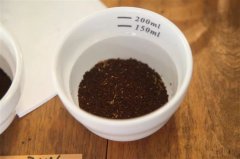
Introduction to coffee brewing utensils what are the most commonly used utensils for making coffee?
Professional coffee knowledge exchange more coffee bean information Please follow the coffee workshop (Wechat official account cafe_style) the main tools for coffee extraction include drip coffee siphon pot (Syphon) mocha pot (Moka Pot) Belgian royal coffee pot (Balancing Syphon) French filter pressure pot electric coffee machine hand coffee maker German hair

Introduction of Mocha producing areas in Yemen? What are the reasons for the low coffee production in Yemen?
Professional coffee knowledge exchange more coffee bean information please pay attention to the origin of coffee workshop (Wechat official account cafe_style) Yemeni mocha coffee Yemeni coffee culture is different from other places, the unique flavor characteristics can be partly attributed to the country's ancient trade style. Yemeni Coffee was the first coffee to be commercialized (for trading) through the port city of Al Mahka

A brief description of the flavor and taste characteristics of walnut-scented Tieka Coffee Manor.
▲ Maui is famous for its iron pickup coffee varieties in Kona District, the Great Island of Hawaii. Tied for first place with Moca in the 2014 Hawaiian Cup. Intense citrus and floral aromas enrich the taste buds on the palate, and you can feel all kinds of tropical fruits flapping your tongue like waves in the middle. Nuts and chocolates are stacked on the taste buds, intertwined into a shocking and lingering finish.

What's the flavor of Yemeni coffee? How do you drink Yemeni coffee? What are the famous coffee beans in Yemen?
Professional coffee knowledge exchange more coffee bean information please follow the coffee workshop (Wechat official account cafe_style) coffee bean application, originated in Ethiopia, the history is difficult to trace. As for the records of coffee drinks made by human beings, it will be in Yemen in the 15th century. Local Sufi Muslims (Sufi Muslim) drink coffee at religious ceremonies to promote their denomination

Coffee producing area Coffee introduction Reunion Coffee
Is no longer the hometown of bourbon Arabica coffee beans. In 1715, the first coffee trees (about 40) were transported from the Yemeni port of Moka to La Runion, but unfortunately only two survived. By 1719, coffee plantations had begun to flourish and the first coffee beans were sold. Over the next few years, the government took a hard measure: the islanders, whether black or white, had to
Global coffee producing area-Reunion
In 1715, the first coffee trees (about 40) were transported from the Yemeni port of Moka to LaReunion, but unfortunately only two survived. By 1719, coffee plantations had begun to flourish and the first coffee beans were sold. Over the next few years, the government took a hard measure: the islanders, black and white, had to plant 100 coffee trees a year. The law of 1723

The coffee producing area of Reunion.
In 1715, the first coffee trees (about 40) were transported from the Yemeni port of Moka to LaReunion, but unfortunately only two survived. By 1719, coffee plantations had begun to flourish and the first coffee beans were sold. Over the next few years, the government took a hard measure: the islanders, black and white, had to plant 100 coffee trees a year. The law of 1723

The characteristics of Reunion Coffee
In 1715, the first coffee trees (about 40) were transported from the Yemeni port of Moka to LaReunion, but unfortunately only two survived. By 1719, coffee plantations had begun to flourish and the first coffee beans were sold. Over the next few years, the government took a hard measure: the islanders, black and white, had to plant 100 coffee trees a year. The law of 1723

Global coffee producing area-Reunion
In 1715, the first coffee trees (about 40) were transported from the Yemeni port of Moka to LaReunion, but unfortunately only two survived. By 1719, coffee plantations had begun to flourish and the first coffee beans were sold. Over the next few years, the government took a hard measure: the islanders, black and white, had to plant 100 coffee trees a year. The law of 1723

The characteristics of Arabica beans coffee producer reunion coffee beans reunion
Reunion is no longer the hometown of bourbon Arabica coffee beans. In 1715, the first coffee trees (about 40) were transported from the Yemeni port of Moka to La Runion, but unfortunately only two survived. By 1719, coffee plantations had begun to flourish and the first coffee beans were sold. Over the next few years, the government adopted a rigid measure: no matter whether the island's residents were black or black.

Ethiopian Harald coffee flavor
Ethiopia is the first country in the world to grow coffee and maintain the oldest coffee culture, and it still maintains a very traditional and ancient coffee growing process.

The hometown of bourbon Arabica coffee beans, reunion coffee beans in Yemen
Is no longer the hometown of bourbon Arabica coffee beans. In 1715, the first coffee trees (about 40) were transported from the Yemeni port of Moka to LaRunion, but unfortunately only two survived. By 1719, coffee plantations had begun to flourish and the first coffee beans were sold. Over the next few years, the government took a hard measure: the islanders, whether black or white,
La Reunion Reunion, a coffee producer in the world
Is no longer the hometown of bourbon Arabica coffee beans. In 1715, the first coffee trees (about 40) were transported from the Yemeni port of Moka to La Runion, but unfortunately only two survived. By 1719, coffee plantations had begun to flourish and the first coffee beans were sold. Over the next few years, the government took a hard measure: the islanders, whether black or white, had to